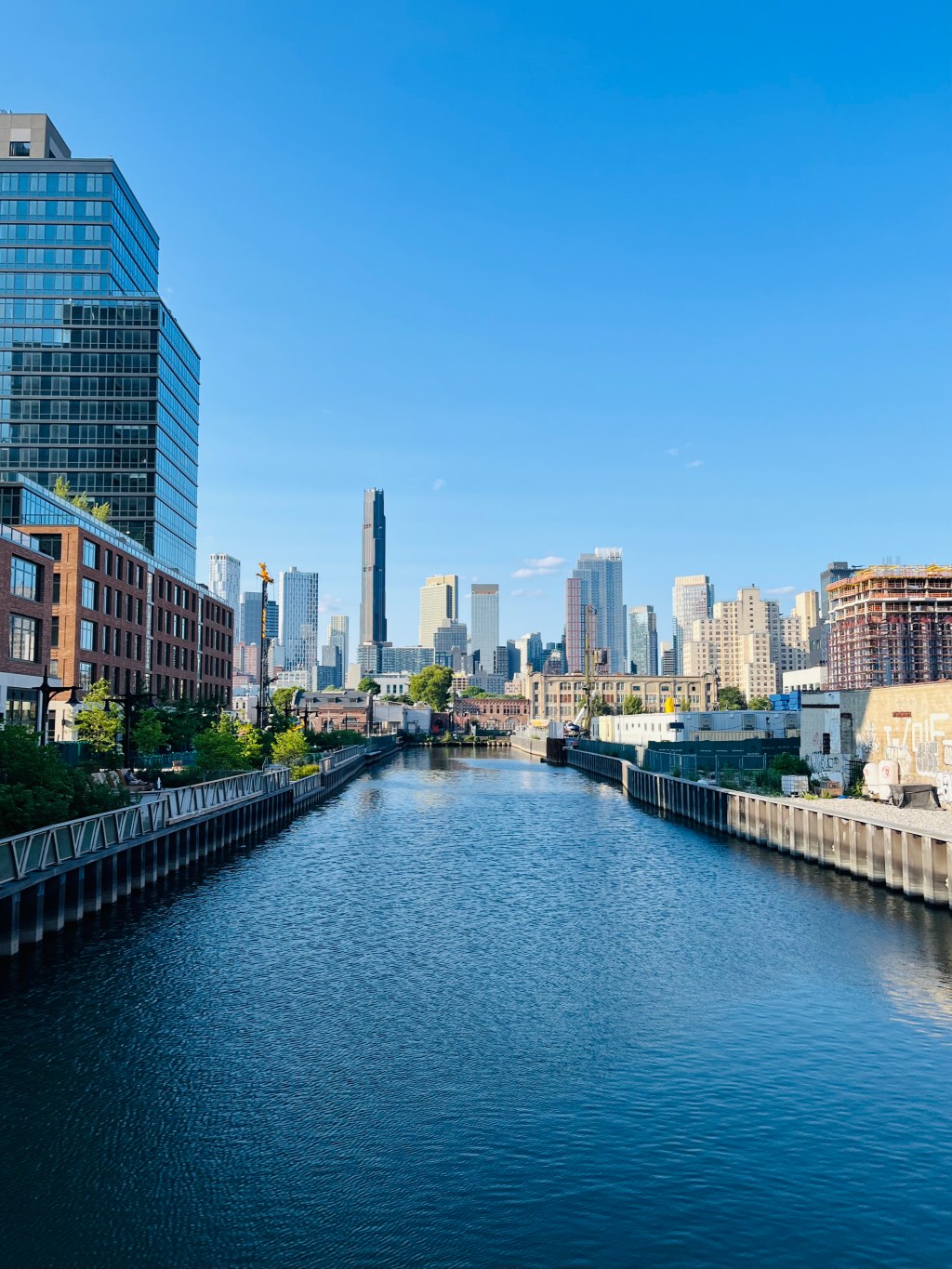
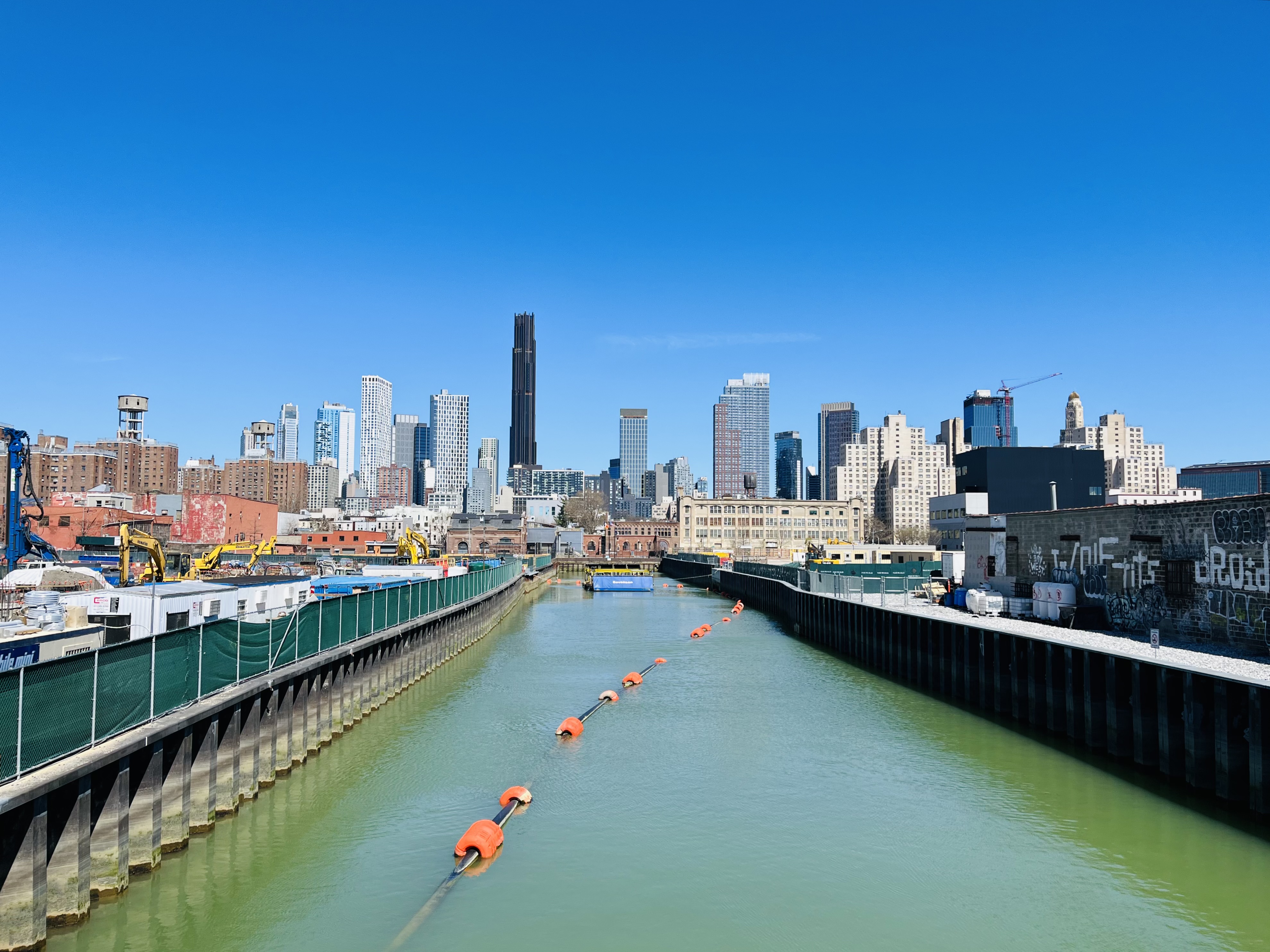
Often cited as the world’s most polluted canal, New York City’s toxic waterway is nevertheless aesthetically intriguing. It appears emerald at times, fluorescent green at others, and on a clear summer day the contaminated waters might mirror the cerulean blue of a cloudless summer sky. Walking around the neighborhood, one might detect a note of noxious fumes, the canal’s calling card.
The National Oceanic and Atmospheric Admistration sums up the canal’s history by explaining how it: “was built in the mid-1800s and once served as a major commercial route to New York Harbor. A variety of industries historically operated along its banks, including manufactured gas and chemical plants, mills, and tanneries. These facilities released multiple contaminants into the canal, including PAHs, PCBs, coal tar wastes, heavy metals, and VOCs. Combined sewer overflows (CSOs) are also a source of pollution to the canal.” Found at: https://darrp.noaa.gov/hazardous-waste/gowanus-canal
On a recent springtime trip to NYC, I strolled the Union Street Bridge which crosses over the Gowanus Canal and snapped a picture to add to my growing Gowanus Canal smartphone photo collection. For a number of years, I lived up the hill in Park Slope and crossed the Union Street bridge frequently — either by bike or by foot — to access my dermatologist in nearby Carroll Gardens or to meet with my husband at his work in Red Hook. Smelly or no, I find the canal to be rather charming. How about you?
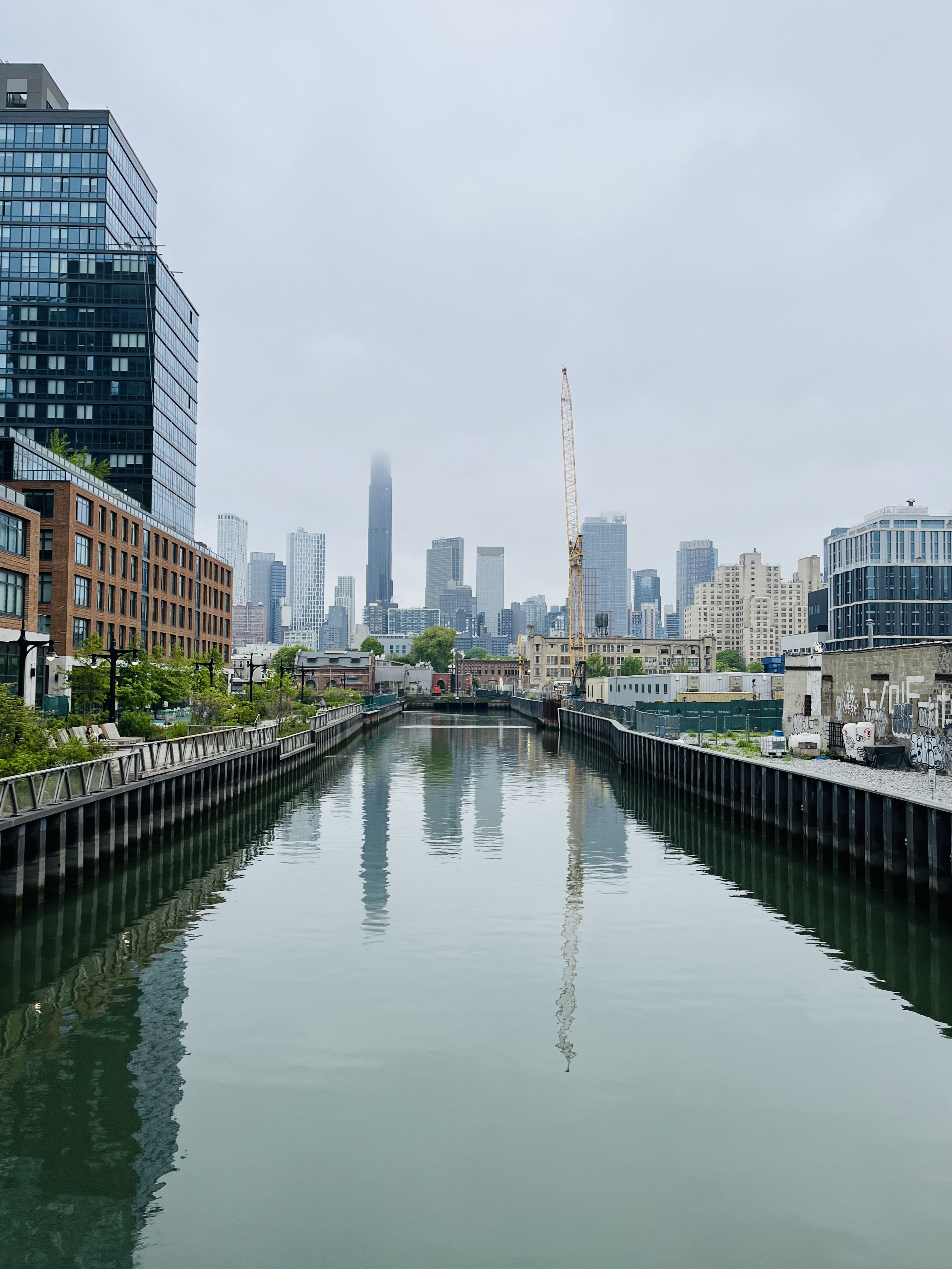
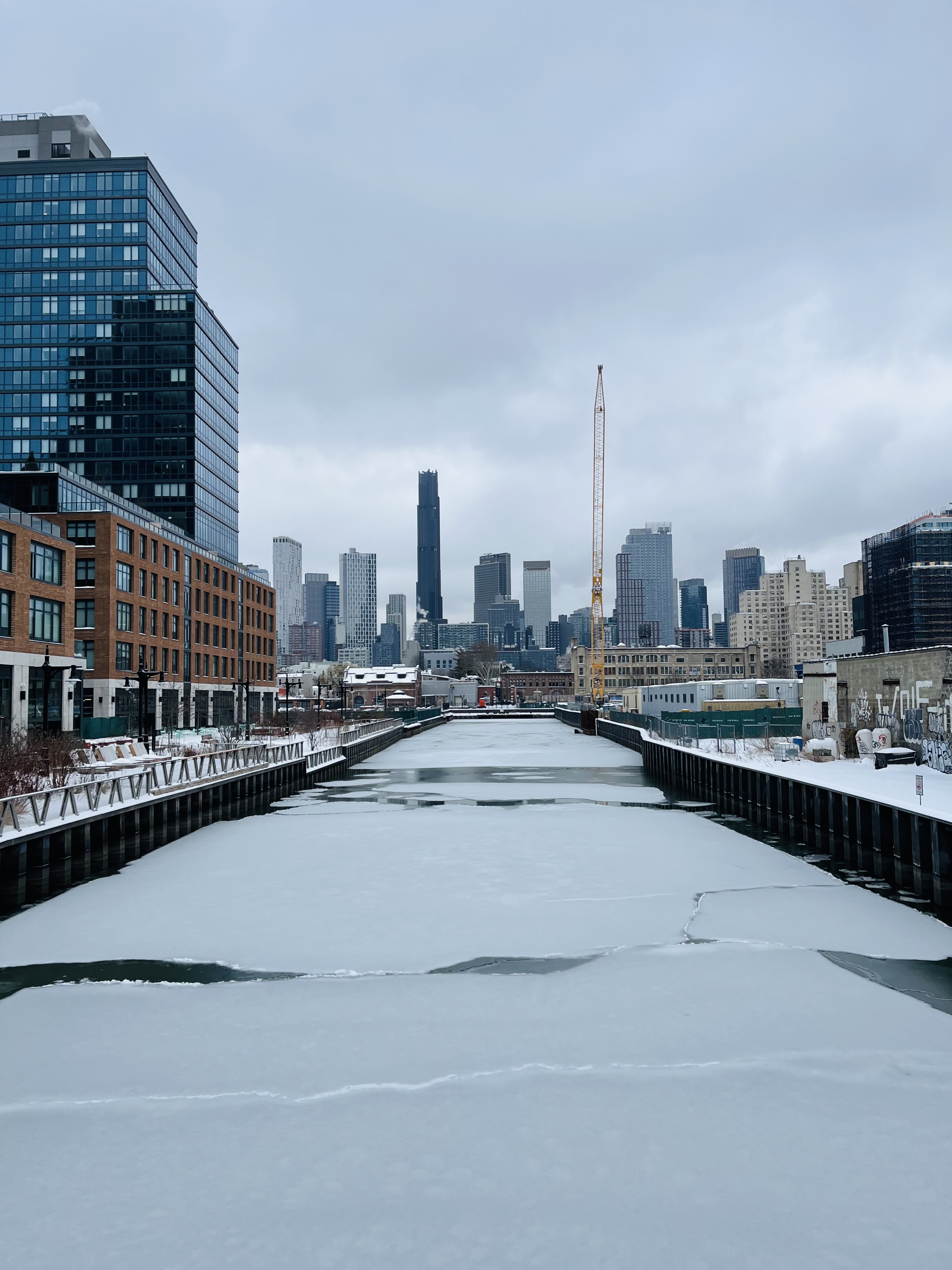
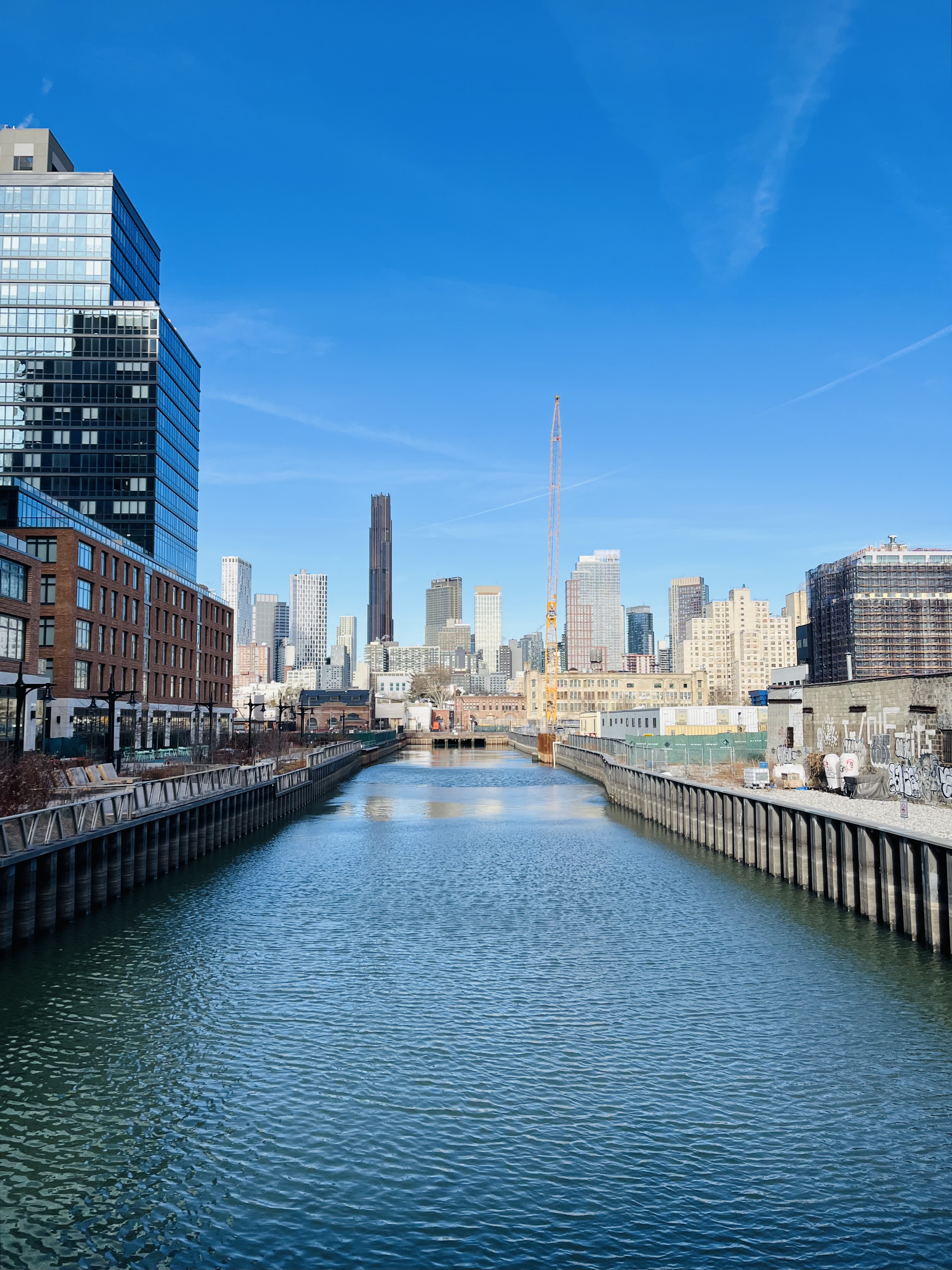
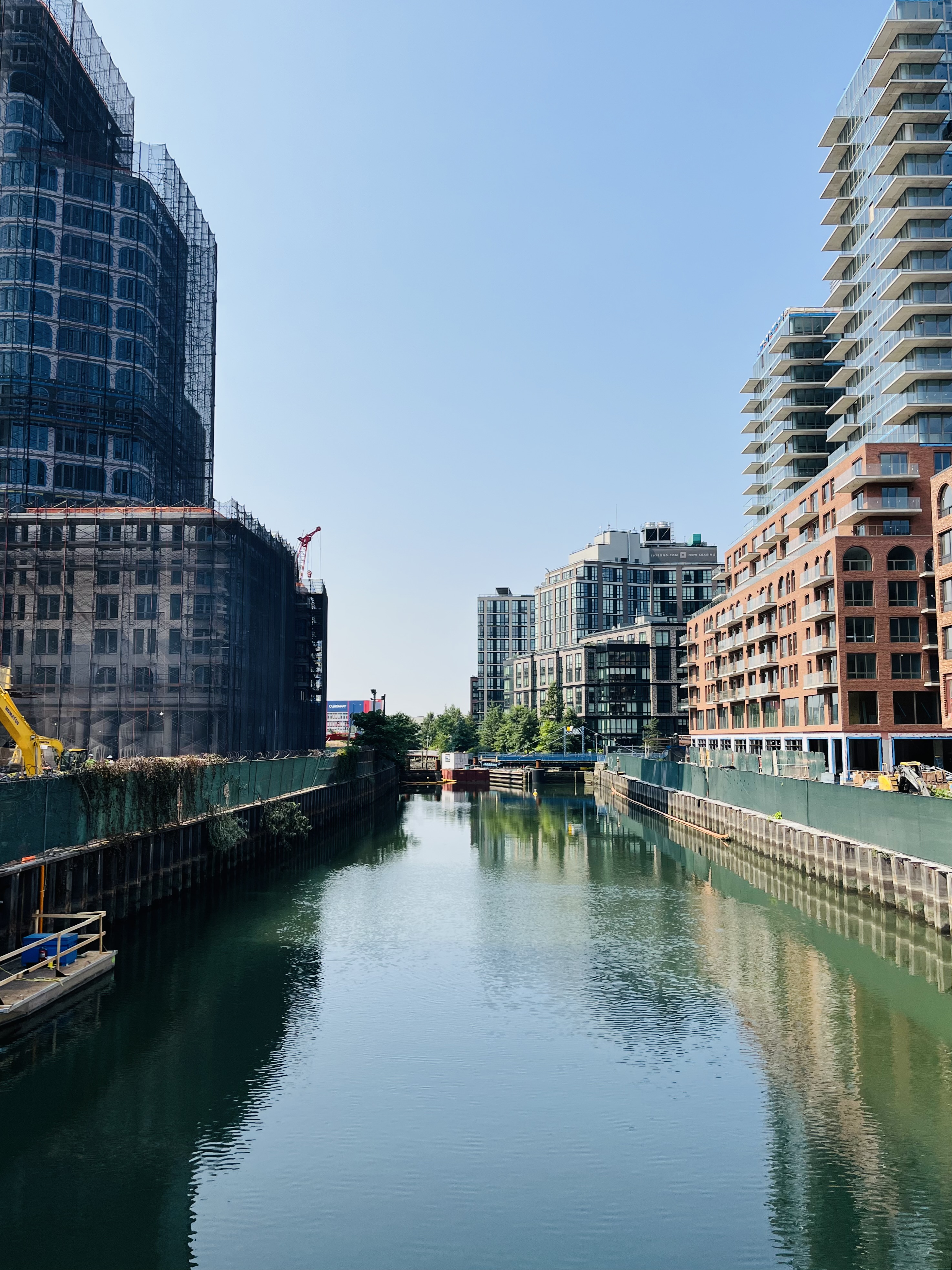
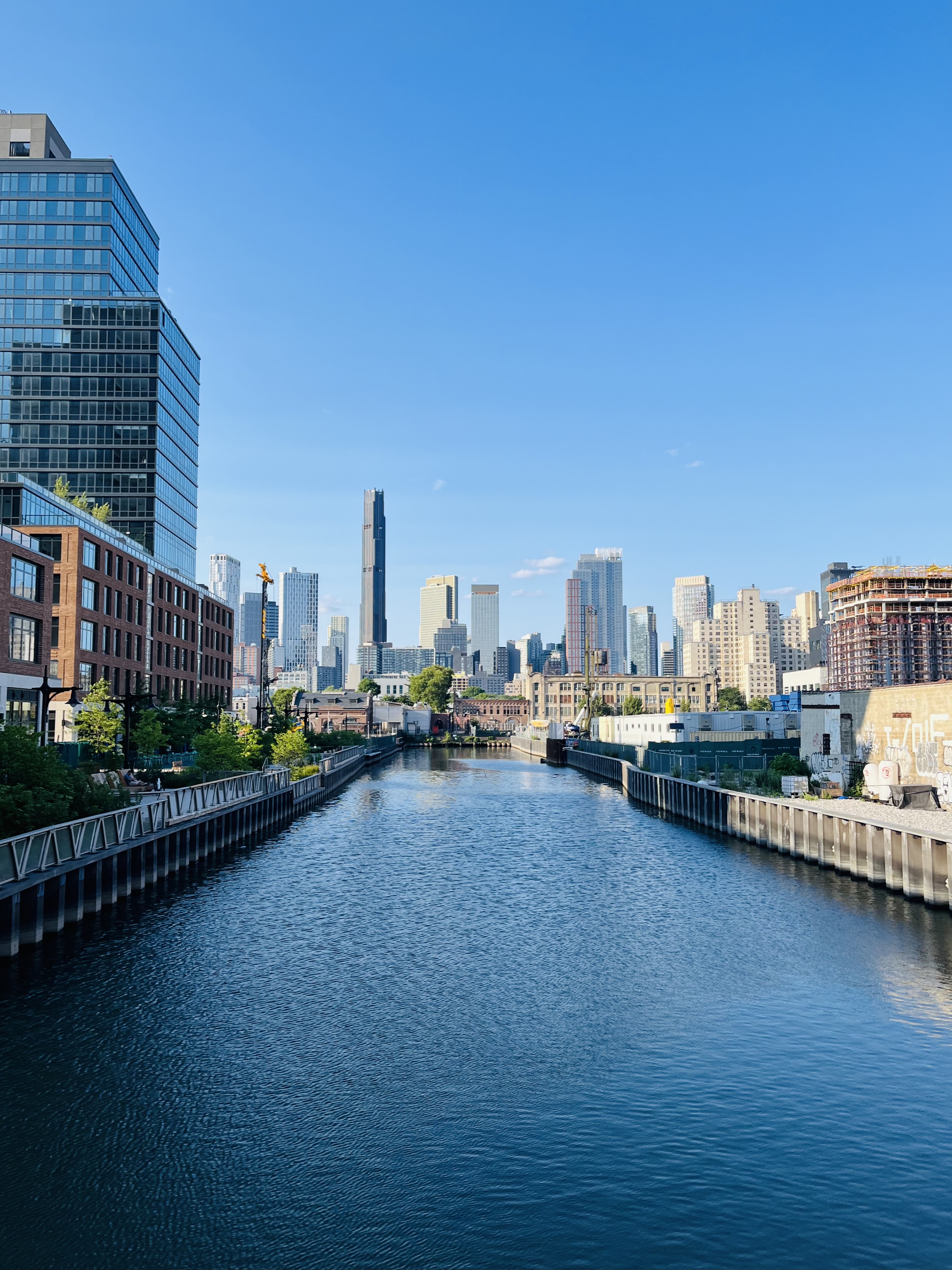
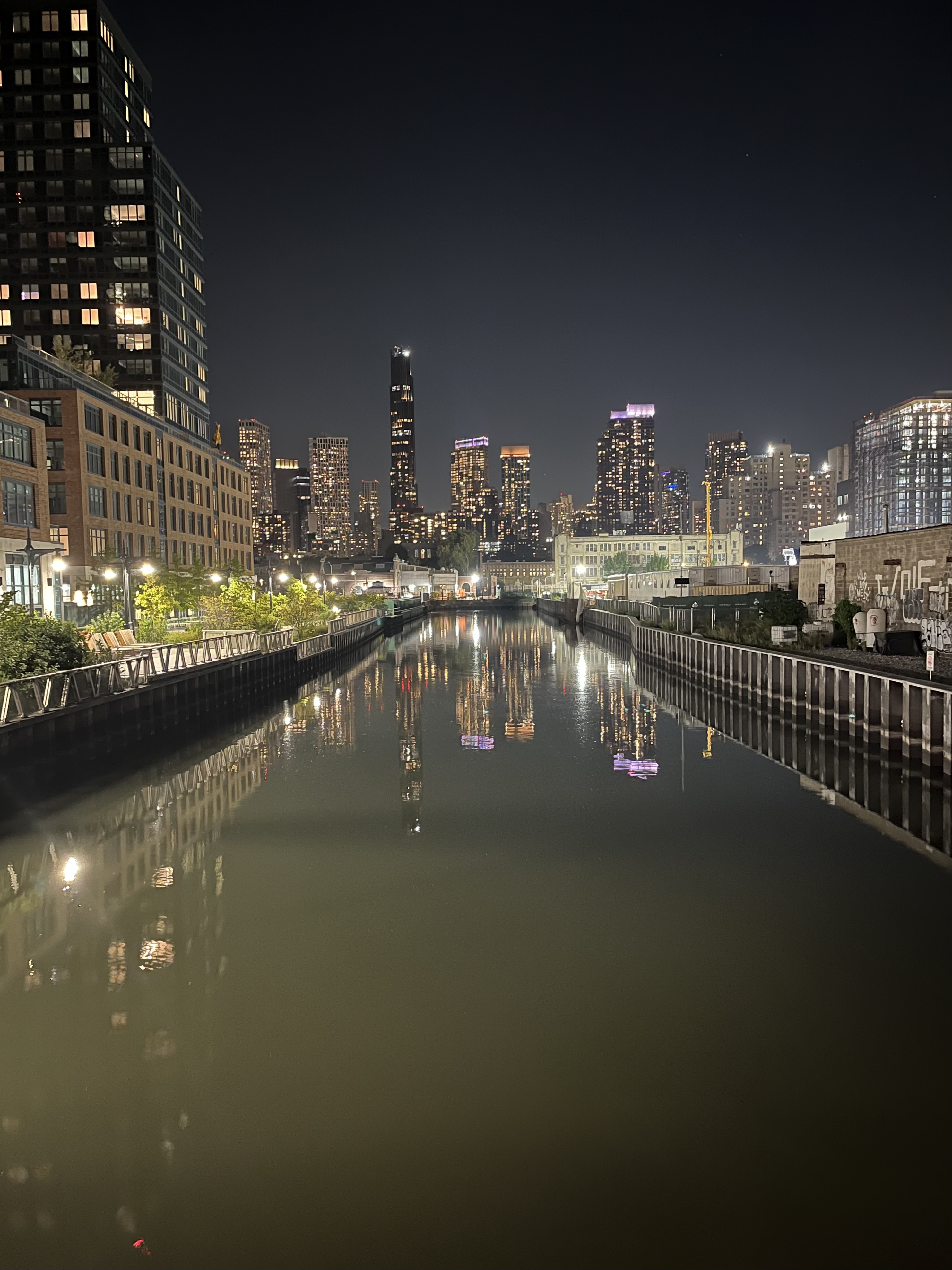
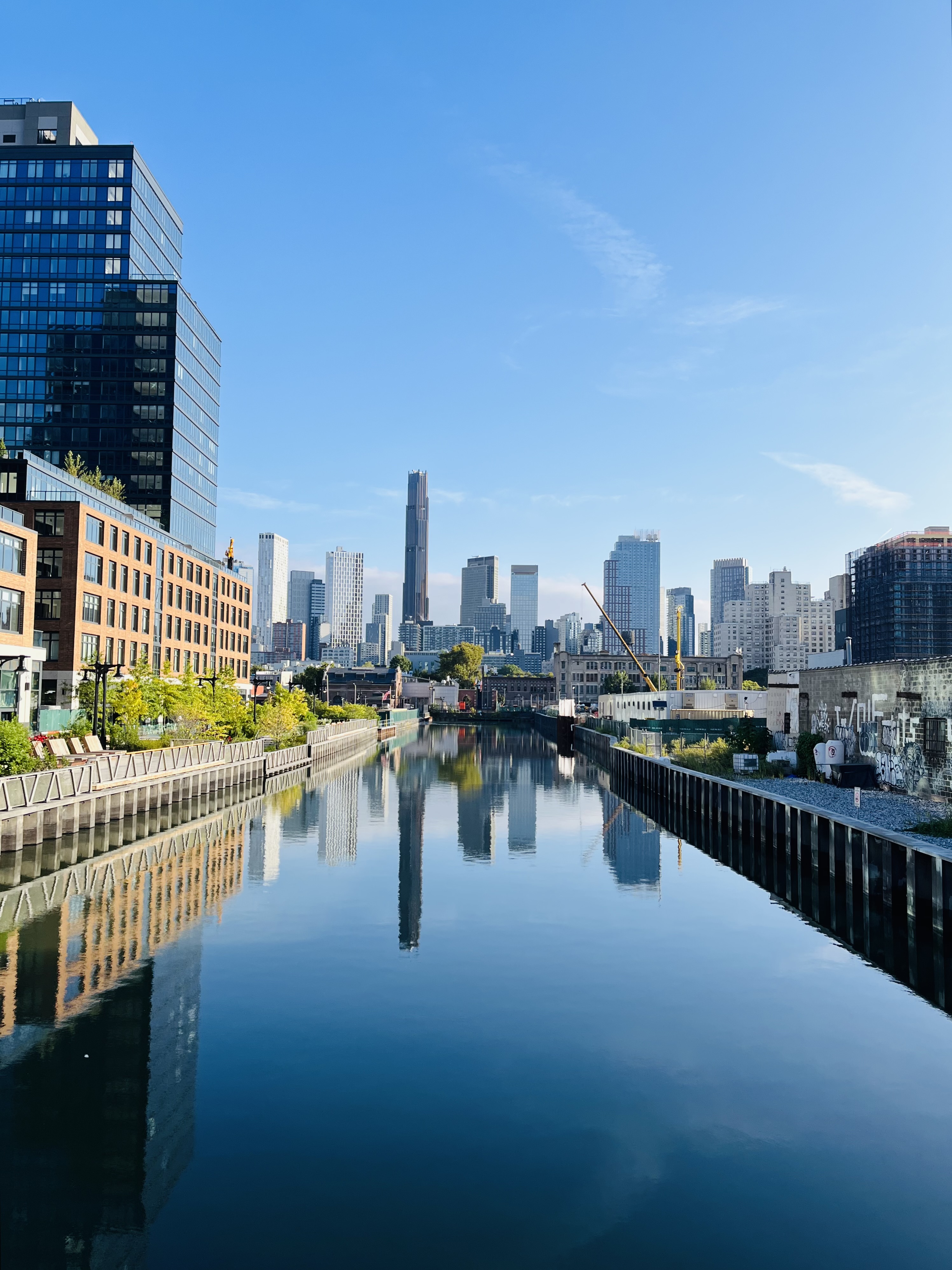
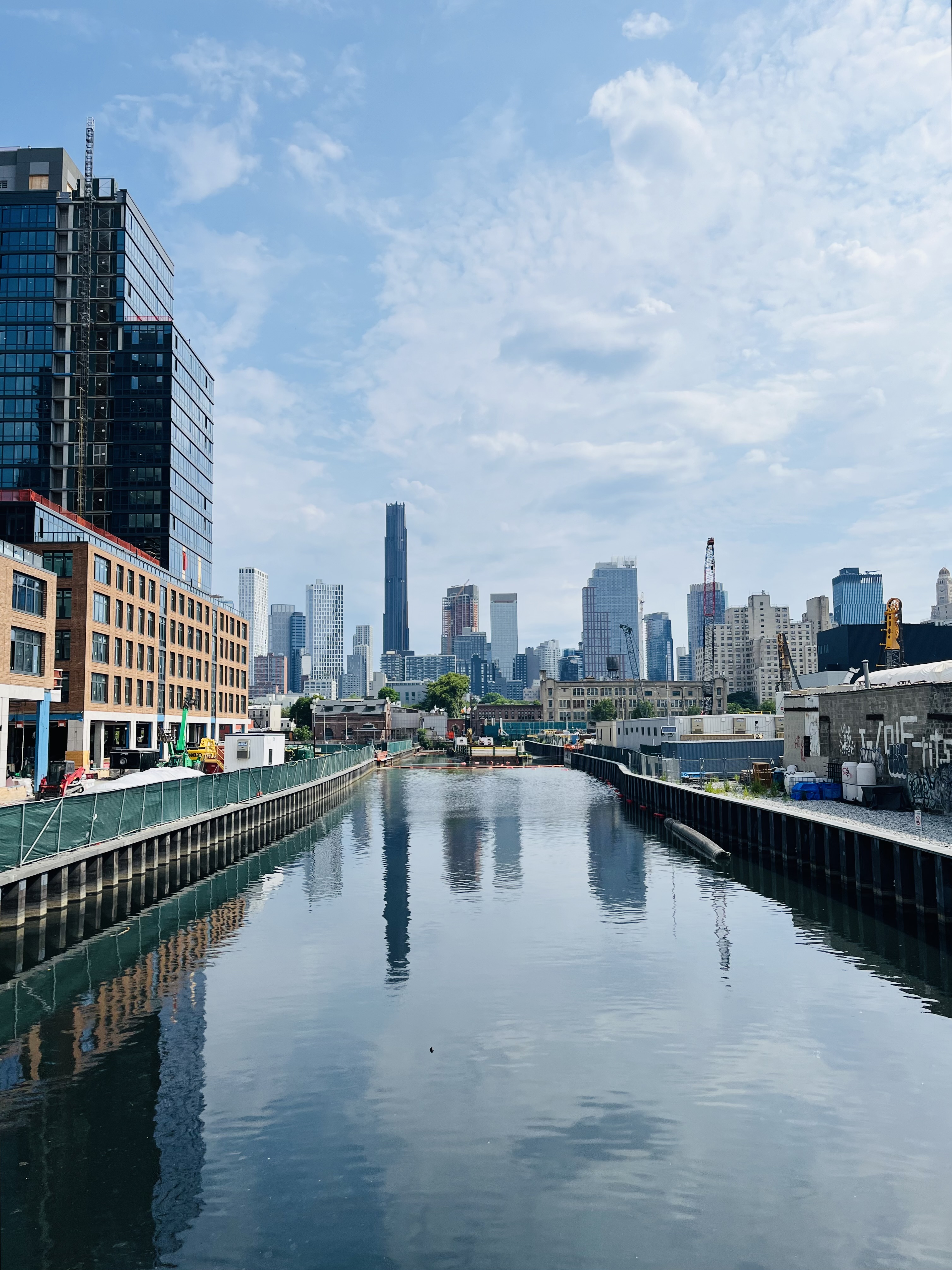
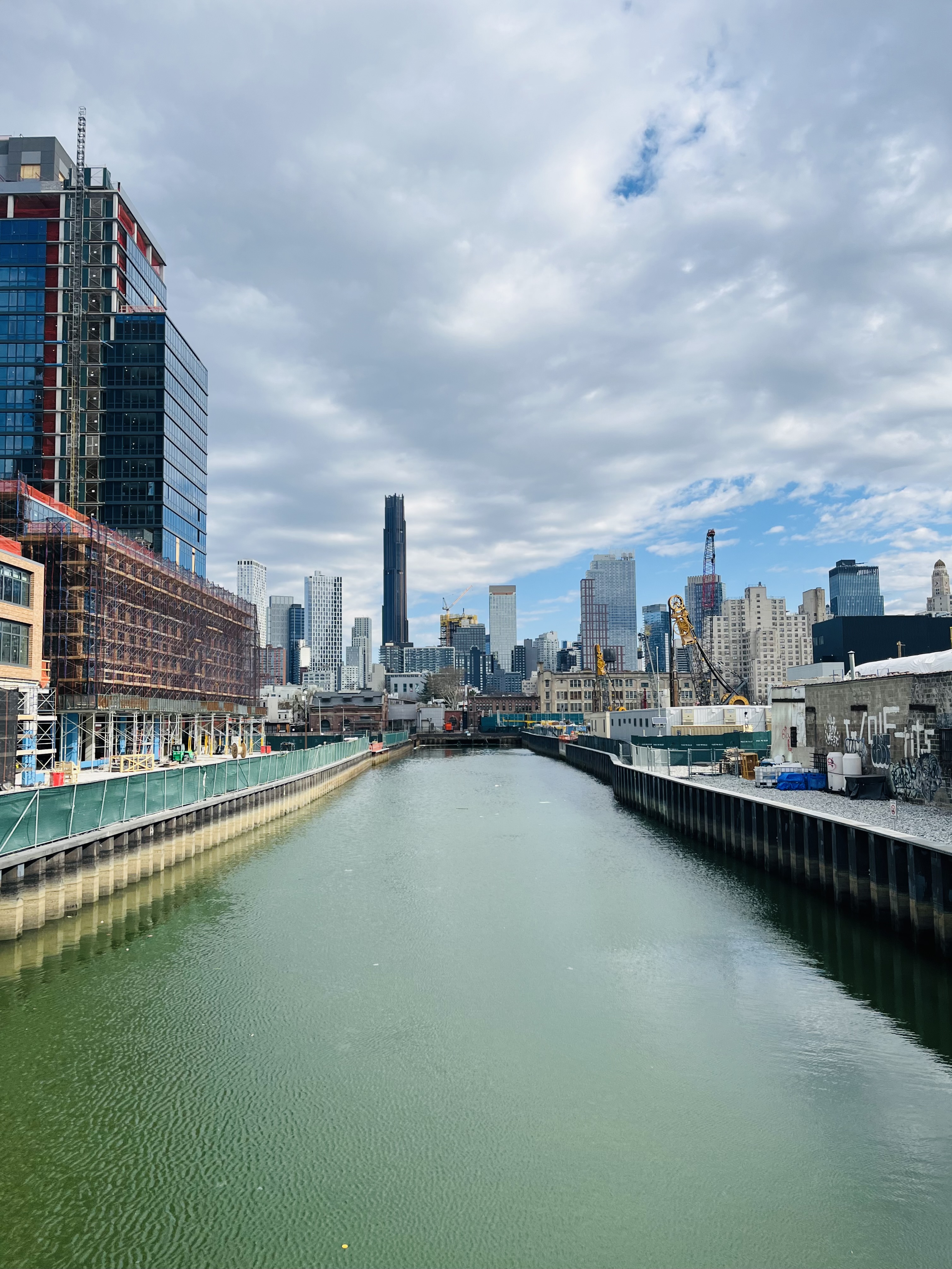
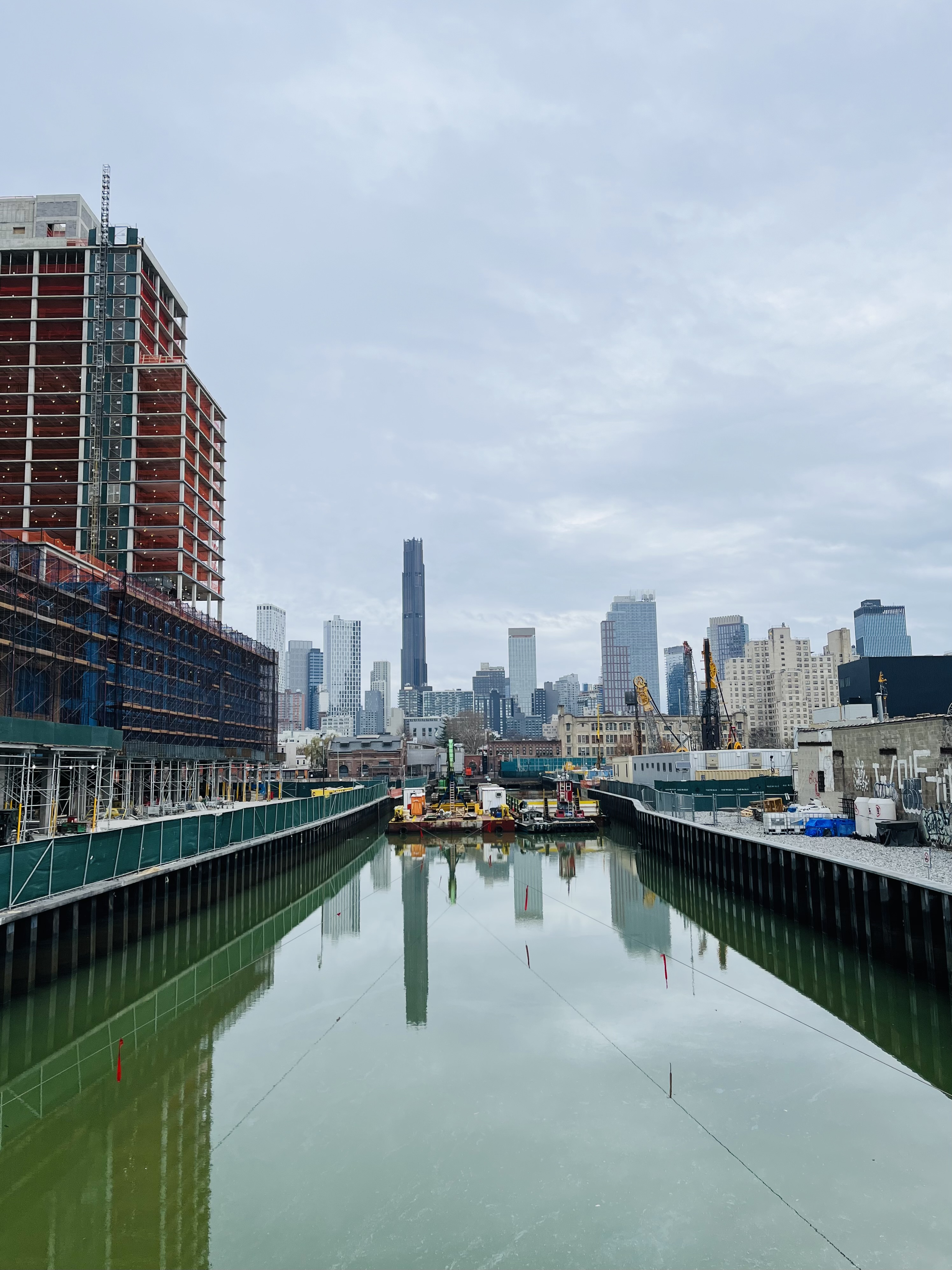
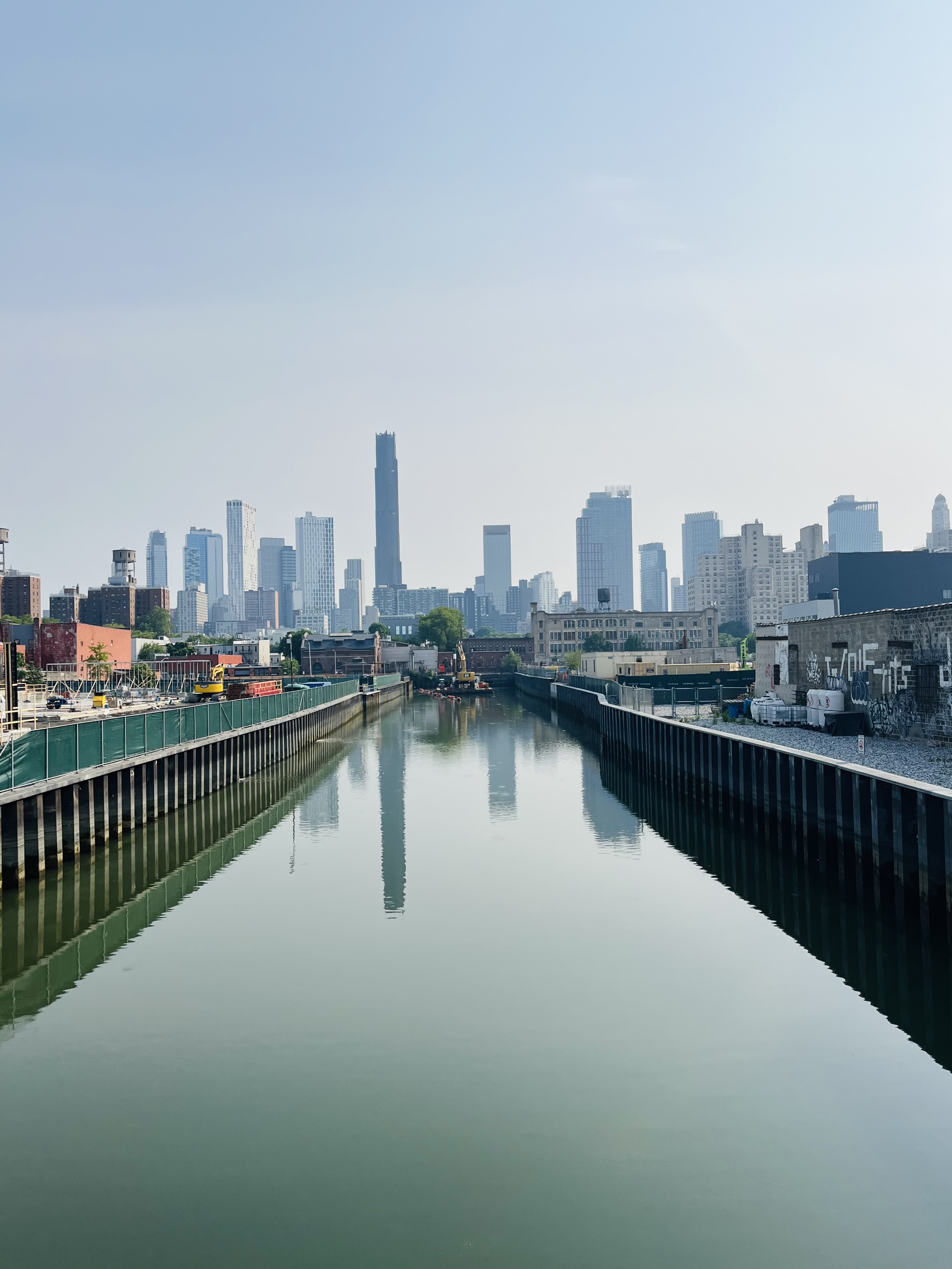
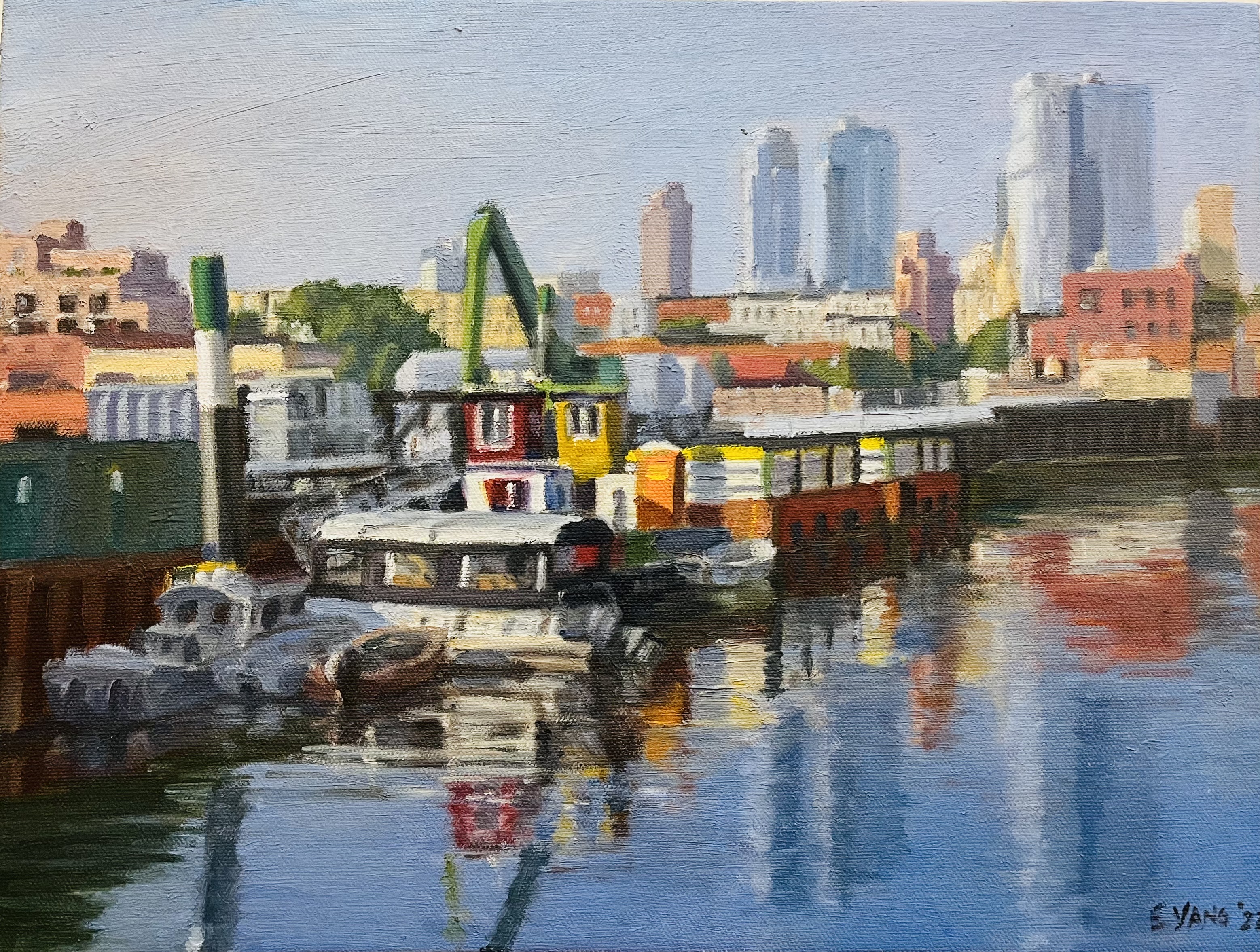
For those who are intrigued and want to learn more about the Gowanus Canal, author Joseph Alexiou published a splendid book called Gowanus: Brooklyn’s Curious Canal. The Goodreads summary reminds prospective readers that the waterway has been referred to as “a cesspool, an industrial dumping ground, and a blemish on the face of the populous borough, [but is still] one of the most important waterways in the history of the New York Harbor.”
Vive Le Canal Gowanus!


6 responses
Such eloquence for such a stinky sight. Happy Monday!
Haha — thanks, Katy. You never know what might inspire the muse. Happy Monday to you, as well!
Very cool photos, Gina! I can tell you are feeling homesick for NYC – it has that kind of lasting impression (least it did for me!) My fav photo of the set is the one you took in January 2026, with that intense freeze-over of the Canal. While I didn’t appreciate being stuck indoors as long as we were here (sidewalks and driveway too treacherous w/ ice) I heard that the freeze-over was a much-needed panacea for lawns, grounds, to kill off toxins compounding from the last few too-warm winters in the Northeast. Soo maybe that freeze-over killed some ‘bad stuff’ in the Canal as well?! Hope you’re doing well.
Thanks for your feedback and insights, Patricia! Hope all is well with you. And you are right; I am feeling homesick for NYC, yet also trying my best to lean into some of the natural beauty (and fresher air) that Minnesota offers. Ooh, interesting point. Maybe the freeze-over did some good for the canal. One can hope!
I remember you telling me some of the history of this canal when we walked over it before on one of my NYC visits and I swore I had a picture of it in my camera roll, but I can’t find it. Or maybe I am just remembering you taking a photo of it haha, I can’t seem to remember, but super interesting history and wild about the green color that just comes about without them even needing to make it green for St. Patty’s 😅
Yes! I remember walking across the Union Street Bridge with you and Eli was in his stroller on our way back from Jeff’s and my place to where you were staying in Red Hook. l’m pretty sure we took some photies that night, or maybe just you took the photy because I couldn’t find any on my camera roll.